
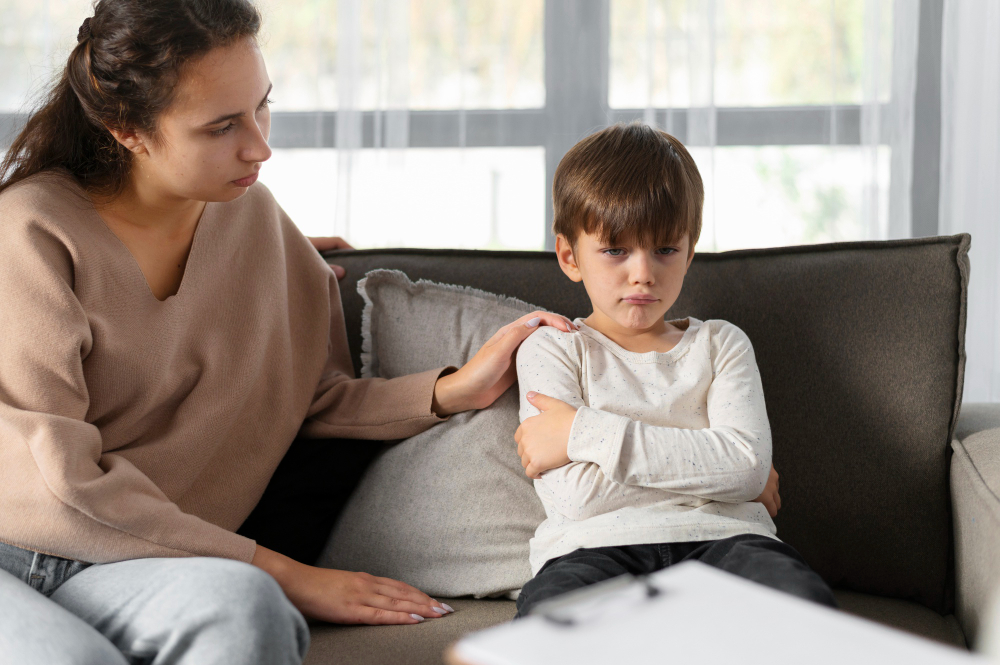
What Is Emotional Dysregulation in Children?
Emotional dysregulation in children means they have trouble managing their feelings. As a result, they may have frequent meltdowns or outbursts. For many kids, emotions can feel big and hard to control. However, some children struggle more than others. Emotional dysregulation is when these struggles happen often and affect daily life. It is common in young children, but it can also be a sign of a deeper issue. Parents and caregivers may notice their child gets upset quickly or cannot calm down easily. Understanding this condition helps families support their children better.
Common Symptoms and Signs of Emotional Dysregulation
Children with emotional dysregulation show certain signs. These signs may appear at home, school, or with friends. For example, you might notice:
Sometimes, these signs can look like normal childhood behavior. Yet, if they happen often or last a long time, it may be emotional dysregulation. Early signs can help parents seek help sooner.
Causes and Risk Factors
Many things can lead to emotional dysregulation in children. Some causes are simple, while others are more complex. For instance, brain development plays a big role. Young children’s brains are still learning how to manage feelings. But, other factors can make it harder, such as:
Additionally, some children are more sensitive by nature. Understanding the cause can help families find the right support.
How Emotional Dysregulation Is Diagnosed
Doctors and mental health experts use several steps to diagnose emotional dysregulation in children. First, they talk with parents and teachers about the child’s behavior. Next, they may use checklists or questionnaires. Sometimes, they observe the child in different settings. In some cases, they check for other conditions like autism or ADHD. Early diagnosis helps children get the support they need. If you notice frequent meltdowns, it is wise to seek advice from a pediatric specialist.
Effective Treatment and Management Strategies
There are many ways to help children with emotional dysregulation. Treatment often depends on the child’s age and needs. For many, therapy is helpful. For example, cognitive-behavioral therapy (CBT) teaches children how to manage feelings. In addition, family therapy can help parents learn new skills. Sometimes, doctors may suggest medication if another condition is present. However, most children benefit from:
With the right help, many children learn to manage their emotions better over time.
Tips for Parents: Supporting Children During Meltdowns
Parents and caregivers play a key role in helping children during meltdowns. Here are some tips to try:
Above all, remember that patience and practice are important. Over time, children can learn better ways to handle big feelings.
Prevention and Building Emotional Resilience
While not all meltdowns can be prevented, there are ways to build emotional strength in children. For instance, you can:
Because every child is different, what works for one may not work for another. Still, building a strong support system helps children thrive.
If your child struggles with frequent meltdowns, consult a pediatric specialist for personalized guidance. Early support can make a big difference in your child’s well-being.