Introduction
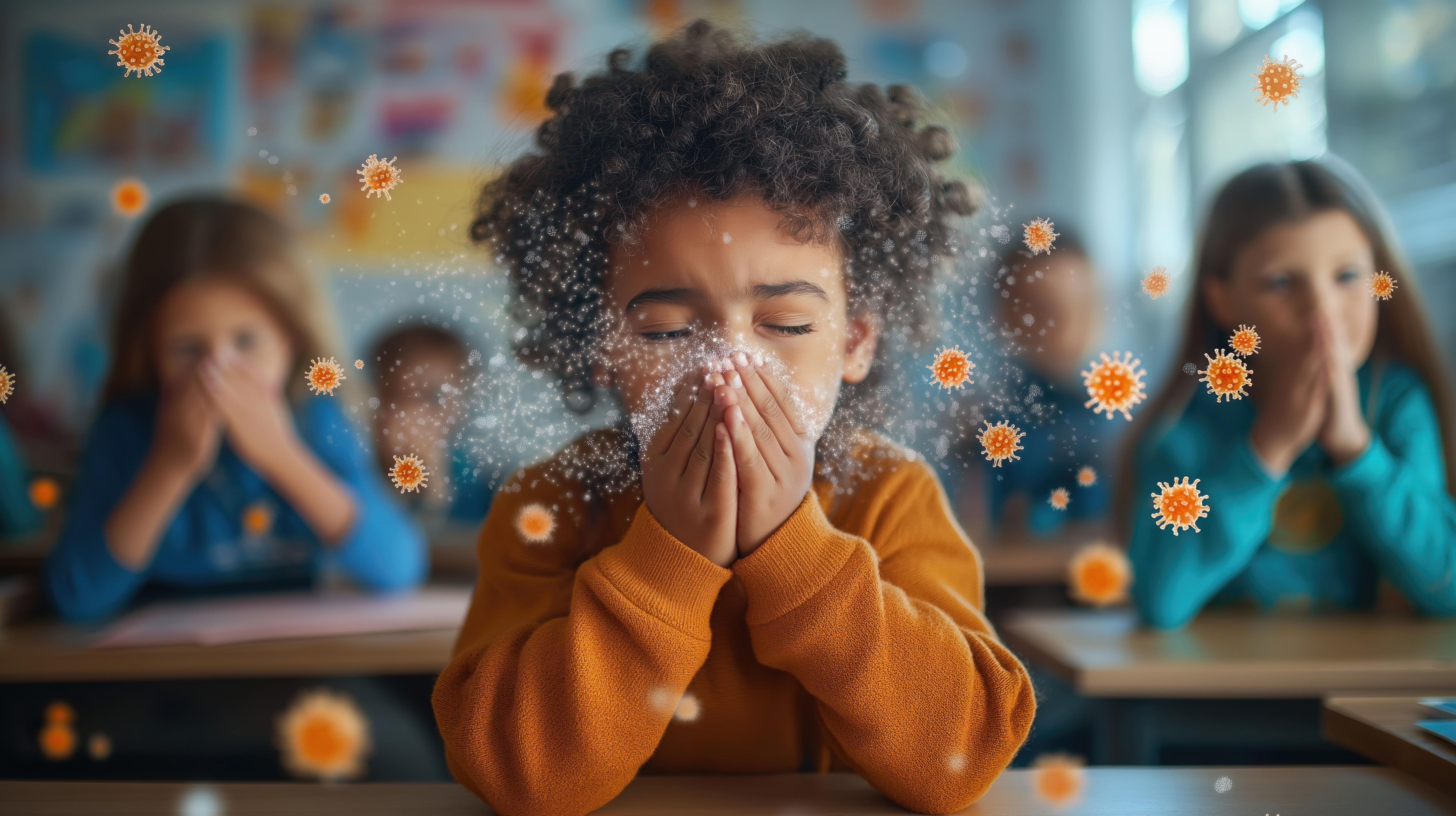
Allergies can have a big impact on children’s respiratory health. When a child has allergies, their body reacts to things like pollen, dust, or pet dander. These reactions often affect the nose, throat, and lungs. As a result, children’s respiratory allergies can cause problems like sneezing, coughing, or trouble breathing. In the United States, many families deal with these issues every year. Understanding the impact of allergies on children’s respiratory health helps parents keep their kids healthy and safe.
What Are Allergies?
Allergies happen when the body’s immune system reacts to harmless things. For example, pollen or dust can trigger a response. The body thinks these things are dangerous, so it tries to fight them off. This reaction causes allergy symptoms in kids. Children with allergies may sneeze, cough, or have a runny nose. Sometimes, allergies can also make it hard to breathe. Allergies are common in children, especially during certain seasons or in certain places.
Common Respiratory Allergies in Children
Many children have allergies that affect their breathing. Some of the most common respiratory allergies in children include:
In urban areas, air pollution can make these allergies worse. Children living in cities may have more trouble with respiratory allergies.
Symptoms of Allergies Affecting the Respiratory System
Children with respiratory allergies often show clear signs. However, symptoms can be mild or severe. Watch for these common allergy symptoms in kids:
Sometimes, children may also feel tired or have trouble sleeping. If symptoms get worse, it is important to seek help quickly.
Causes and Risk Factors
There are many causes and risk factors for childhood allergies. For instance, genetics play a big role. If parents have allergies, their children are more likely to have them too. Other risk factors include:
Additionally, children who spend more time indoors may be exposed to dust or mold. These factors can increase the risk of developing respiratory allergies.
Diagnosis and When to See a Doctor
Early diagnosis helps manage childhood allergies. If your child has ongoing symptoms, it is wise to see a doctor. The doctor may ask about your child’s symptoms and family history. Sometimes, allergy tests are needed. These tests can help find out what is causing the reaction. If your child has trouble breathing, seek medical help right away. According to the CDC, quick treatment can prevent serious problems.
Treatment Options and Management Strategies
There are many ways to treat and manage children’s respiratory allergies. Treatment depends on the type and severity of the allergy. Some common options include:
Besides medicine, managing childhood allergies also means avoiding triggers. For example, keeping windows closed during pollen season can help. Always follow your doctor’s advice for the best results.
Prevention Tips for Parents
Parents can take steps to prevent respiratory allergies in children. Here are some helpful tips:
By following these tips, you can lower your child’s risk of allergy symptoms.
Lifestyle Guidance for Children with Respiratory Allergies
Children with allergies can still enjoy a full life. However, some changes may help them feel better. For example, teach your child to wash hands after playing outside. Encourage them to avoid touching their face. During allergy season, try to keep indoor air clean. If your child has asthma, make sure they always have their inhaler. With good habits, children can manage their allergies and stay active.
In summary, allergies can affect children’s respiratory health in many ways. But with the right care, most children can breathe easier and stay healthy. Consult a pediatric specialist for personalized advice on managing your child’s allergies.