Introduction
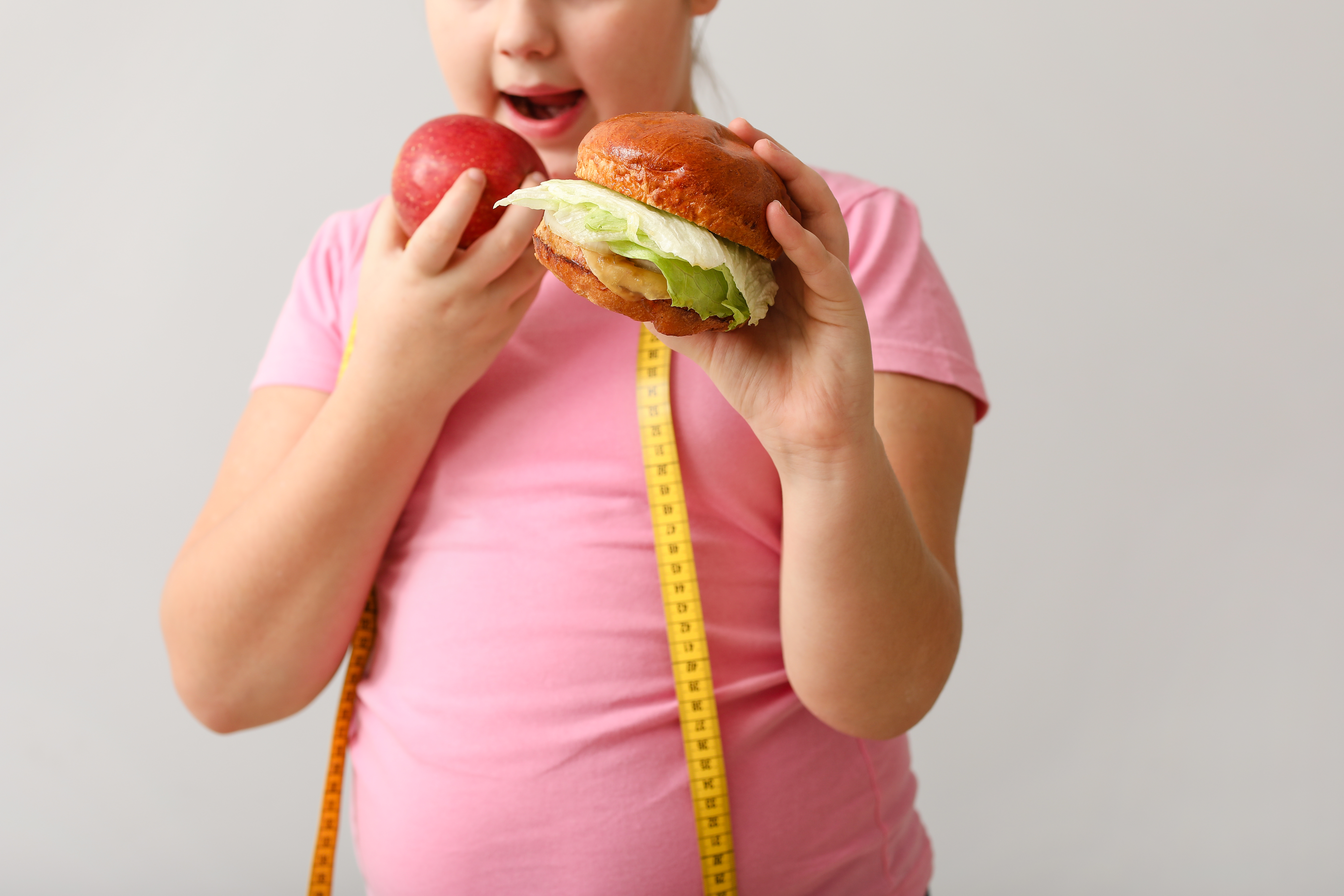
Childhood obesity is a growing concern worldwide. Many families worry about the health risks of childhood obesity. Early action is important because preventing obesity in children can protect their future. Parents should also know the childhood obesity warning signs. According to the CDC and WHO, more children are facing weight problems than ever before. If left unchecked, childhood obesity can lead to serious health issues. In this blog, we will explain what childhood obesity is, its risks, warning signs, causes, and how to prevent it.
What Is Childhood Obesity?
Childhood obesity means a child has too much body fat for their age and height. Doctors use a tool called Body Mass Index (BMI) to check if a child is overweight or obese. If a child’s BMI is much higher than others of the same age and sex, they may be obese. This condition can affect children of any age, from toddlers to teenagers. Not only does it impact physical health, but it can also affect a child’s confidence and mood.
Health Risks Associated with Childhood Obesity
Childhood obesity can cause many health problems. Some issues may appear early, while others develop over time. For example, overweight children are more likely to become overweight adults. The health risks of childhood obesity include:
Because these risks are serious, it is important to act early. The CDC and WHO both warn that childhood obesity can shorten life expectancy if not addressed.
Warning Signs and Symptoms
Many parents may not notice the early signs of childhood obesity. However, watching for these warning signs can help:
Sometimes, children may not show clear symptoms. Therefore, regular check-ups with a doctor are important.
Causes and Contributing Factors
Several factors can lead to childhood obesity. Often, it is a mix of lifestyle, environment, and genetics. For instance, children who eat high-calorie foods and do not get enough exercise are at higher risk. Other causes include:
Because many factors play a role, it is important to look at the whole picture when helping a child.
Prevention Tips for Parents and Caregivers
Preventing obesity in children starts at home. Small changes can make a big difference. Here are some tips for parents and caregivers:
Even small steps can help prevent childhood obesity. In addition, talking openly about health and feelings can support your child’s well-being.
When to Seek Medical Advice
If you notice warning signs or have concerns about your child’s weight, it is best to talk to a doctor. Early advice can prevent serious health problems. Doctors can check your child’s growth and offer guidance. Sometimes, they may suggest seeing a nutritionist or counselor. Remember, every child is different. Therefore, personalized advice is important.
If you are concerned about your child’s weight or health, consult a pediatric specialist for personalized guidance.