What is Neonatal Jaundice?
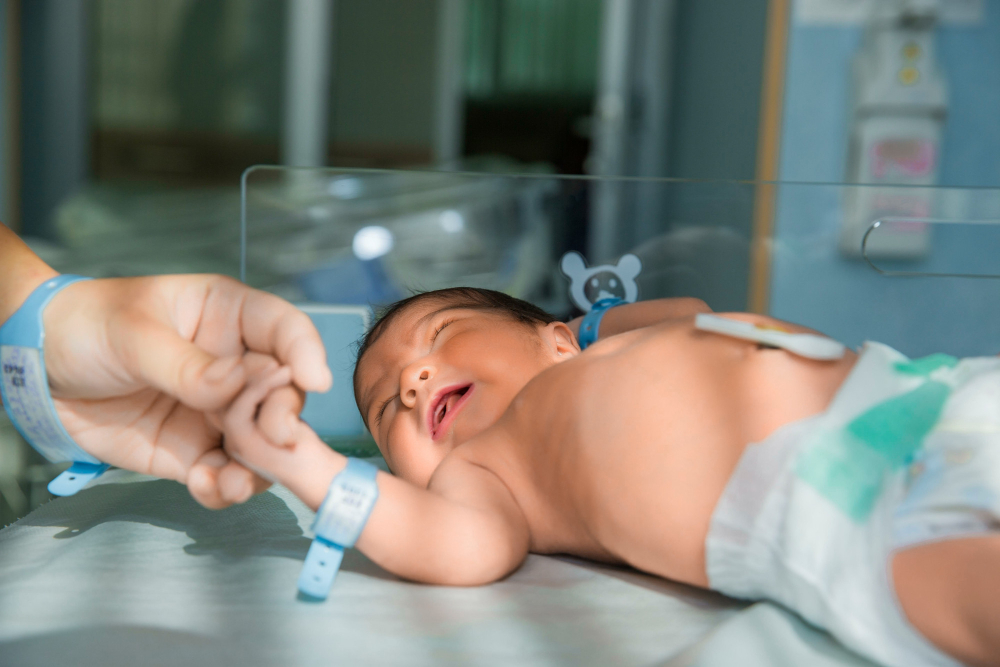
Neonatal jaundice is a common condition in newborns. It causes a yellow color in the skin and eyes. This happens when there is too much bilirubin in the baby’s blood. Bilirubin is a yellow substance made when the body breaks down old red blood cells. Most babies get mild jaundice in the first week of life. In fact, about 60% of newborns in the United States develop some jaundice. Usually, it goes away on its own. However, sometimes it needs treatment.
Common Symptoms
It is important to know the signs of neonatal jaundice. Early detection helps keep your baby safe. Look for these symptoms:
Sometimes, symptoms are hard to see, especially in babies with darker skin. Therefore, always check the whites of the eyes and gums for yellowing.
Causes and Risk Factors
There are several causes of jaundice in newborns. The most common is “physiological jaundice.” This happens because a baby’s liver is still growing and cannot remove bilirubin quickly. Other causes include:
Some babies have a higher risk. For example, babies who are not feeding well or who have siblings who had jaundice may be more likely to get it. According to the CDC, Asian and Native American babies also have a higher risk.
How Neonatal Jaundice is Diagnosed
Doctors use several ways to check for neonatal jaundice. First, they look at the baby’s skin and eyes. Next, they may use a special device to measure bilirubin through the skin. If needed, a blood test will show the exact bilirubin level. Early testing is important. This helps doctors decide if treatment is needed. In many hospitals, all newborns are checked before going home.
Treatment Options
Most cases of neonatal jaundice are mild and go away without treatment. However, if bilirubin levels are high, treatment is needed to prevent problems. Common treatments include:
Doctors will choose the best treatment based on your baby’s needs. According to the American Academy of Pediatrics, phototherapy is safe and effective for most babies.
Home Care and Lifestyle Tips
There are steps you can take at home to help your baby. For example, feed your baby often, at least 8 to 12 times a day. This helps remove bilirubin from the body. Also, watch your baby for any changes in skin or eye color. If you notice more yellowing, call your doctor. Keep all follow-up appointments. Your doctor may want to check your baby’s bilirubin levels again.
Prevention and When to Seek Help
While not all cases can be prevented, you can lower the risk. Here are some tips on how to prevent jaundice in babies:
However, sometimes jaundice can become serious. Seek help right away if your baby:
Early treatment can prevent serious problems. The World Health Organization recommends seeing a doctor if you notice any of these signs.
In summary, neonatal jaundice is common and often mild. But it is important to watch for symptoms and seek help if needed. Consult a pediatrician for personalized advice if you notice signs of neonatal jaundice in your newborn.