
Introduction to Chronic Otitis Media in Children
Chronic otitis media in children means your child has ear infections that last a long time or keep coming back. This condition can affect hearing, speech, and daily comfort. In fact, ear infections are one of the most common reasons children visit doctors. Early treatment helps prevent problems. Therefore, it is important for parents to know the signs and what to do next.
Common Symptoms and Warning Signs
Children may not always say their ear hurts. However, there are signs you can watch for. Early detection often leads to better outcomes. Look for these symptoms:
If you notice these signs, it may be time to contact your doctor. Sometimes, symptoms can be mild, but repeated infections may cause lasting problems.
Main Causes and Risk Factors
Many things can lead to recurrent ear infections in kids. For example, children have shorter and more horizontal ear tubes, which can trap germs. Other risk factors include:
Additionally, children under age two are at higher risk. In some regions, such as areas with high air pollution, rates of ear infections may be even higher (CDC).
How Doctors Diagnose Chronic or Recurrent Ear Infections
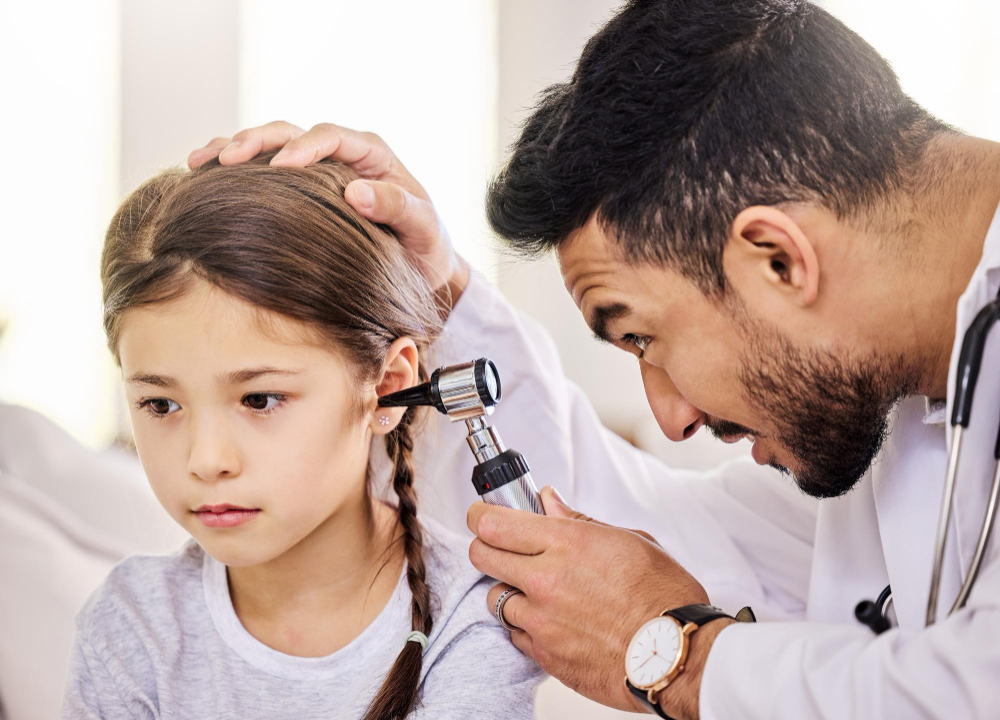
Doctors use several methods to diagnose chronic otitis media in children. First, they ask about your child’s symptoms and medical history. Next, they use a special tool called an otoscope to look inside the ear. This helps them see if the eardrum is red, swollen, or has fluid behind it. Sometimes, hearing tests are needed. In rare cases, doctors may order imaging tests or take a sample of ear fluid. Early diagnosis helps prevent hearing loss and other problems.
Treatment Options for Ear Infections in Kids
Treatment for ear infections in kids depends on the cause and how often they occur. For most children, doctors may suggest:
However, if infections keep coming back, doctors may recommend:
According to the American Academy of Pediatrics, ear tubes can help reduce infections and improve hearing in some children.
Home Care Tips and Lifestyle Guidance for Parents
While medical treatment is important, home care also plays a big role. For example, you can help your child feel better by:
Additionally, always finish the full course of antibiotics if prescribed. This helps prevent the infection from coming back.
Prevention Strategies for Reducing Risk
There are steps you can take to lower your child’s risk of recurrent ear infections. For instance, you can:
These steps can help protect your child’s ears and overall health.
When to Seek Medical Help
Sometimes, ear infections need quick medical care. You should call your doctor if:
Early treatment can prevent serious problems, such as hearing loss or speech delays.
Conclusion
Chronic otitis media in children can be stressful for families. However, knowing the symptoms, causes, and treatment options can help you act quickly. If your child has frequent ear infections, consult a pediatrician for personalized advice and care.