Introduction
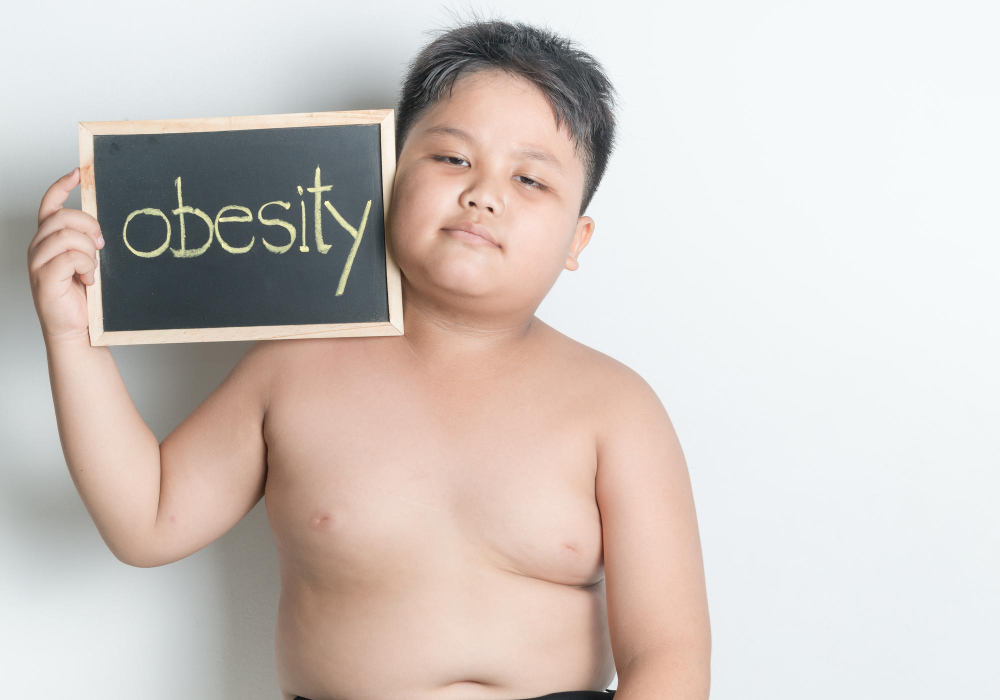
Childhood obesity is a growing concern in many countries, including the United States. This condition means a child has too much body fat for their age and height. As a result, childhood obesity can lead to serious health problems. Early action helps children build healthy habits for life. In this blog, you will learn about the causes, symptoms, diagnosis, and prevention of childhood obesity. We will also share tips for child weight management and healthy habits for kids.
What is Childhood Obesity?
Childhood obesity happens when a child’s weight is higher than what is healthy for their age and height. Doctors use a tool called Body Mass Index (BMI) to check if a child is overweight or obese. According to the Centers for Disease Control and Prevention (CDC), a child is obese if their BMI is at or above the 95th percentile for children of the same age and sex. Pediatric obesity can affect both physical and mental health.
Common Causes of Childhood Obesity
Many factors can lead to childhood obesity. Some causes are related to lifestyle, while others are linked to genetics or environment. However, most cases are due to a mix of these factors. Here are some common causes:
Recognizing Symptoms and Health Risks
Sometimes, it is hard to notice childhood obesity just by looking. However, there are signs and health risks to watch for. Early recognition helps with child weight management. Common symptoms and risks include:
According to the World Health Organization (WHO), obese children are more likely to become obese adults. This can lead to heart disease and other health issues later in life.
How Childhood Obesity is Diagnosed
Doctors use several steps to diagnose childhood obesity. First, they check the child’s height and weight. Then, they calculate the BMI and compare it to growth charts for age and sex. If the BMI is high, the doctor may ask about eating habits, activity levels, and family history. Sometimes, blood tests are needed to check for health problems linked to obesity. Early diagnosis helps start child weight management sooner.
Effective Treatment Options
Treating childhood obesity often means making healthy changes at home. However, each child is different, so a doctor’s advice is important. Common treatment options include:
In rare cases, medicine or surgery may be needed, but these are only for severe cases and under medical care.
Prevention Tips for Parents and Caregivers
Preventing childhood obesity is easier than treating it. Parents and caregivers play a key role. Here are some tips to help children stay at a healthy weight:
Healthy Lifestyle Guidance for Children
Building healthy habits early can last a lifetime. Children need support and encouragement to make good choices. Try these ideas for healthy habits for kids:
Remember, every child is unique. What works for one may not work for another. However, small changes can make a big difference over time.
Conclusion
Childhood obesity is a serious but preventable problem. With early action, healthy habits, and support, children can reach and keep a healthy weight. For personalized advice on childhood obesity, consult a pediatrician.