What is Pneumonia in Children?
Pneumonia in children is a lung infection that can make it hard for kids to breathe. It happens when germs like bacteria or viruses cause the air sacs in the lungs to fill with fluid or pus. Because of this, children may cough, have trouble breathing, or get a fever. Pneumonia is a serious illness, especially in young children. According to the World Health Organization (WHO), childhood pneumonia is one of the leading causes of illness and death in children under five years old. Early treatment can help most children recover fully.
Common Symptoms of Pneumonia in Children
It is important to know the signs of pneumonia in kids. While symptoms can vary, many children show some common signs. For example, some children may have mild symptoms, but others can become very sick. Watch for these symptoms:
However, not all children will have every symptom. If you notice any of these signs, it is best to watch your child closely.
Causes and Risk Factors
Pneumonia in children can be caused by different germs. Most often, viruses like the flu or respiratory syncytial virus (RSV) are to blame. However, bacteria such as Streptococcus pneumoniae can also cause pneumonia. Sometimes, fungi or other germs can lead to infection. Several risk factors can make children more likely to get pneumonia:
Because of these risks, it is important to protect children whenever possible.
How Pneumonia is Diagnosed in Children
Doctors use several steps to diagnose pneumonia in children. First, they ask about your child’s symptoms and medical history. Next, they listen to your child’s chest with a stethoscope. Sometimes, doctors order a chest X-ray to look for infection in the lungs. Blood tests or tests of mucus from coughing may also help find the cause. In most cases, a doctor can diagnose childhood pneumonia with a physical exam and a few simple tests.
Treatment Options for Pediatric Pneumonia
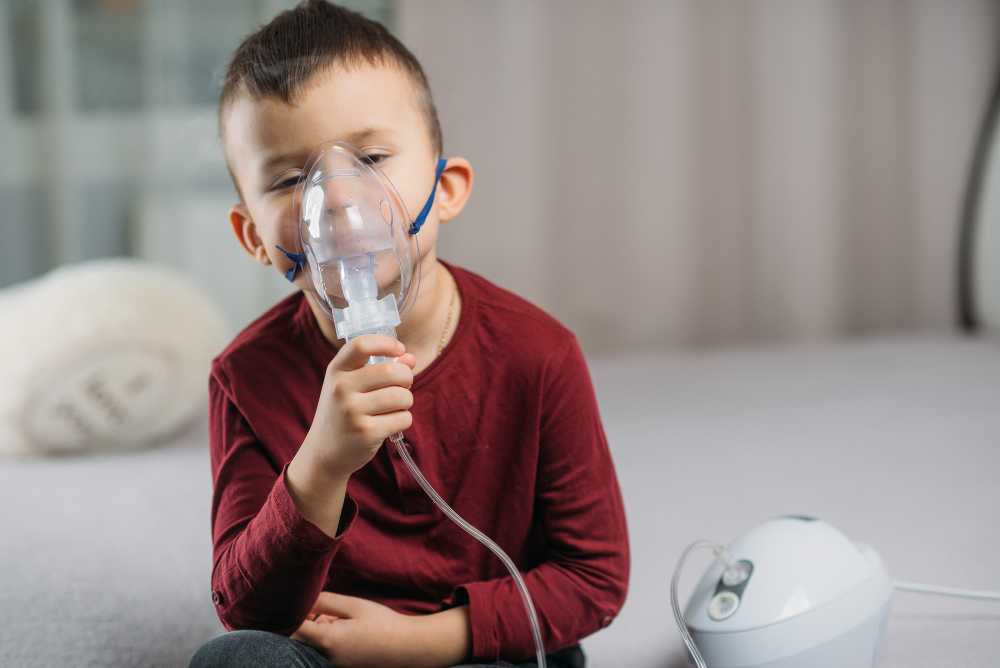
Treatment for pediatric pneumonia depends on the cause and how sick your child is. For mild cases caused by viruses, rest and fluids at home may be enough. However, if bacteria are the cause, doctors often prescribe antibiotics. In some cases, children may need medicine to lower fever or help with breathing. Hospital care is needed if a child has trouble breathing, is very young, or gets worse quickly. Most children recover well with the right care. According to the CDC, early treatment helps prevent serious problems.
Prevention Tips for Parents
There are many ways to help prevent pneumonia in children. For example, keeping up with vaccines is one of the best steps. Here are some tips for parents:
Because prevention is easier than treatment, these steps can help keep your child healthy.
When to See a Doctor
It is important to know when to seek medical help. If your child has trouble breathing, a high fever, or looks very sick, see a doctor right away. Other warning signs include blue lips, chest pain, or not drinking enough fluids. Even if symptoms seem mild, it is always better to check with a healthcare provider if you are worried. Early care can prevent serious problems from childhood pneumonia.
In summary, pneumonia in children is a serious illness but can be treated. If you notice signs of pneumonia in your child, consult a pediatrician for personalized advice.