What is RSV Infection in Infants?
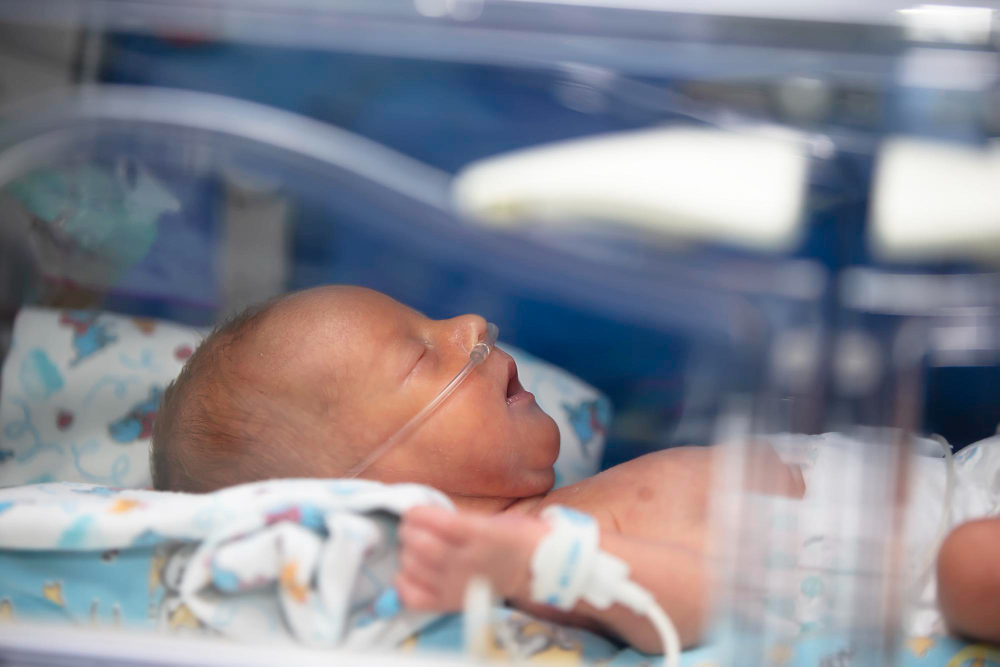
Respiratory Syncytial Virus, or RSV, is a common virus. It often causes mild, cold-like symptoms in adults. However, RSV infection in infants can be more serious. Babies, especially those under six months, are at higher risk. In the United States, RSV is a leading cause of respiratory illness in young children. According to the CDC, most children get RSV by age two. Yet, some infants may develop severe symptoms.
Common Symptoms of RSV in Babies
RSV symptoms in babies usually start like a simple cold. But, symptoms can get worse quickly. Watch for these signs:
Sometimes, babies may become less active or fussy. If you notice these symptoms, monitor your child closely. Early care can help prevent complications.
Possible Complications of RSV Infection
Although many infants recover at home, RSV complications in infants can be serious. Some babies, especially those born early or with health problems, face higher risks. Here are the main complications:
Because of these risks, it is important to watch for signs of trouble. Quick action can help keep your baby safe.
Diagnosis and When to Seek Medical Help
Doctors diagnose RSV infection in infants by checking symptoms and sometimes using lab tests. If your baby has mild symptoms, home care may be enough. However, you should seek medical help if your baby:
In these cases, call your doctor or visit the emergency room right away. Early treatment can prevent serious complications.
Prevention and Home Care Tips
While you cannot always prevent RSV, you can lower your baby’s risk. Here are some helpful tips:
If your baby has RSV, keep them comfortable. Offer fluids often. Use a cool-mist humidifier to help with breathing. But, always follow your doctor’s advice for care.
Frequently Asked Questions
Conclusion and Call-to-Action
In summary, RSV infection in infants can lead to serious complications. However, most babies recover with proper care. If you notice any warning signs or have concerns, consult your pediatrician. Early help can make a big difference for your child’s health.